
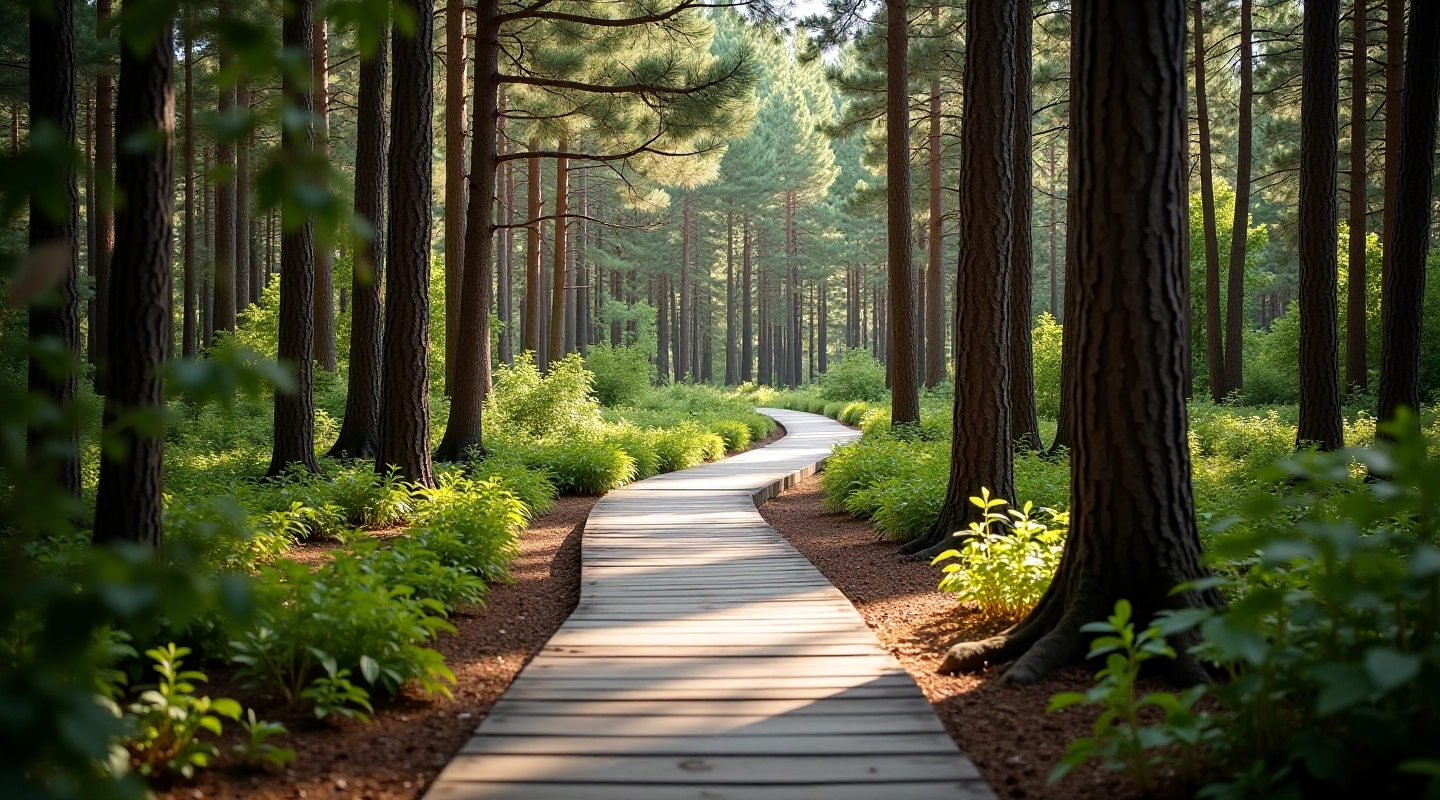
Main Boardwalk Loop — What to Expect
Complete overview of the primary trail, including distance markers, rest areas, and what you'll encounter at each section.
Learn about the pine trees, woodland plants, and natural features you'll encounter on the boardwalks. Deepen your appreciation for the protected forest ecosystem as you walk through Aukštaitija's stunning landscape.
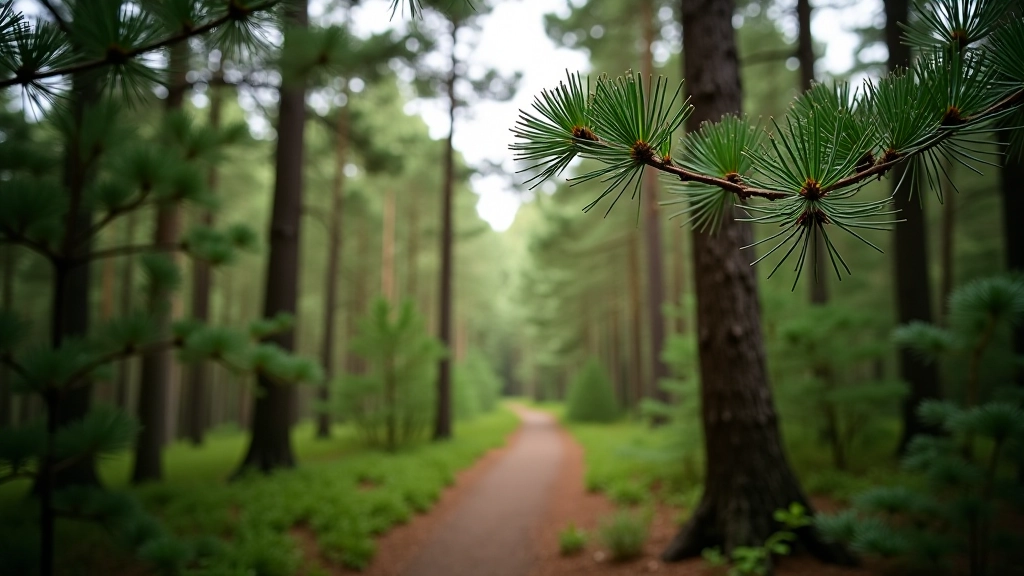
Walking through a forest is wonderful. But when you actually know what you're looking at — the different trees, the plants growing at your feet, the way everything connects — the whole experience becomes richer. You'll start noticing details you'd otherwise miss. A gnarled pine trunk tells a story about age and weather. The carpet of needles beneath your feet isn't just brown fluff; it's a living system that feeds the forest.
Aukštaitija's boardwalks take you through one of Lithuania's most important ecosystems. The forest here isn't random. It's shaped by the land, the climate, and centuries of natural cycles. When you understand what you're seeing, each step becomes more meaningful.
Editorial Team
Written by the Aukštaitija Editorial Team, focused on accurate, practical guidance for boardwalk exploration.
Pine trees aren't just pretty to look at — they're the backbone of this entire forest. Most of what you'll see on the boardwalks is Scots pine, a tree that thrives in sandy soil and handles cold winters well. These aren't small shrubs. Mature pines here reach 25 to 35 meters tall, their trunks sometimes as thick as your torso.
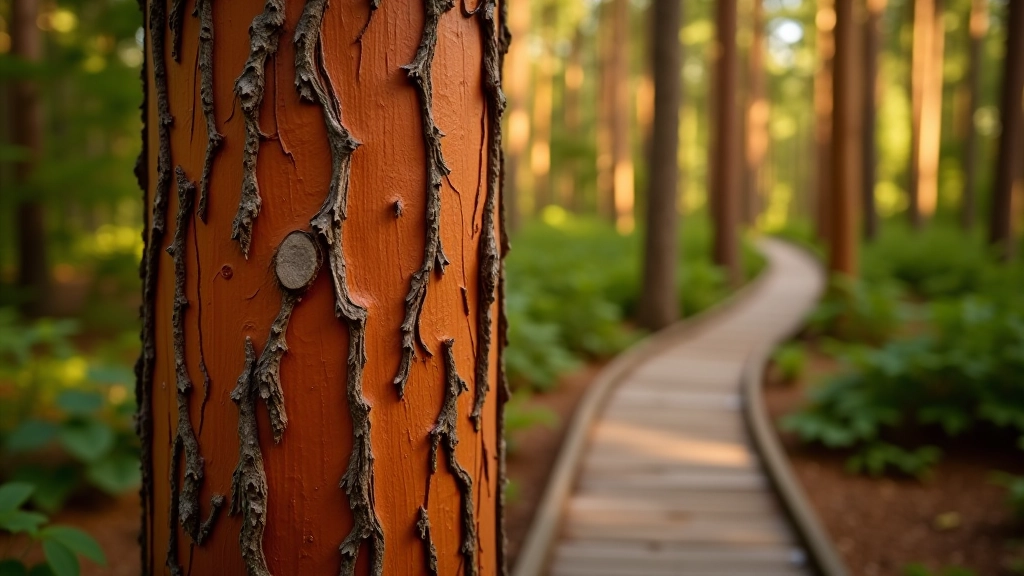
What's interesting about Scots pine is how it changes with the seasons. In winter, it stays green, obviously. But in late spring, you'll notice the fresh growth at the branch tips — bright, almost lime-colored needles that look completely different from the darker older needles. By summer, they darken and toughen up. The bark, reddish-orange on younger trees, becomes dark and furrowed as the tree ages. Look up. You'll see how the branches thin toward the top, creating that distinctive pine silhouette.
Pine needles do something remarkable — they acidify the soil as they decompose. This means the forest floor stays acidic, which creates conditions where only certain plants can grow. You'll see this pattern throughout your walk. Where there's dense pine cover, there's less undergrowth. But where the canopy opens up, different plants rush in to fill the space.
Both grow here, but they're different. Scots pine has needles arranged in pairs on small stalks, and cones that hang down. Spruce (usually Norway spruce) has needles that stick out all around the twig, and cones that stand upright. The easiest way: rub the needles. Pine needles are flat and slightly waxy. Spruce needles are four-sided and stick out more sharply.
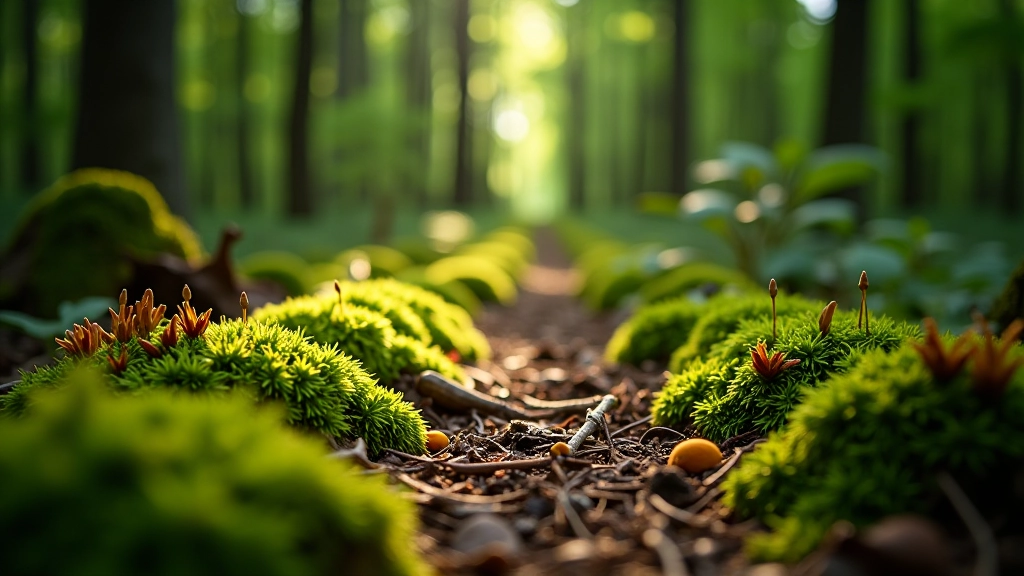
The forest floor is where things get interesting. It's not empty. It's alive with smaller plants, fungi, and organisms you'll never see but can definitely feel the effects of. The boardwalks keep you above most of this, which is why they're important — they protect the delicate ground ecosystem from foot traffic.
Moss is everywhere. You'll see it covering rocks, fallen logs, and patches of ground in soft green cushions. Lichens grow on tree bark — those gray, crusty-looking patches that look almost like disease but aren't. They're actually symbiotic partnerships between fungi and algae. The algae makes food from sunlight, the fungus provides structure and absorbs water. Together, they create something that can survive on bare rock.
Bilberry bushes (also called whortleberries) carpet much of the forest floor. In early summer, they flower with tiny pink bells. By late summer and early autumn, they're covered in dark blue berries. Locals know this well — they pick them for jam. You'll also spot lingonberries, similar but smaller and red. Both are edible, though you'll want to ask locally about picking regulations.
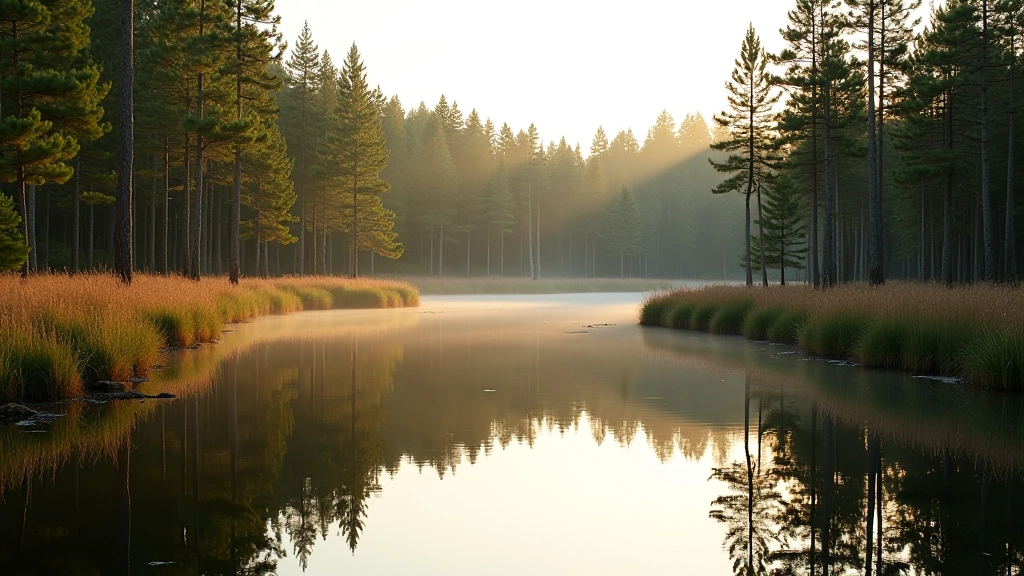
The boardwalks take you past small lakes and marshy areas. These aren't obstacles — they're central to what makes this forest work. Water collects in low areas, creating conditions where different plants thrive. You'll see reeds, cattails, and water-loving shrubs that don't grow on the drier forest floor.
The water reflects the sky beautifully, especially on clear days. This is where you'll see birds, dragonflies, and if you're lucky and quiet, maybe a deer coming to drink. The boardwalk design means you can get close to these areas without disturbing them or sinking into soft ground. It's a thoughtful system.
Pine pollen gets released in late spring — it's why you sometimes see a yellowish dust on surfaces near the water. It's not harmful, just the forest's way of reproducing. Millions of grains floating on the breeze.
Spring: Fresh needle growth, birds nesting, flowers blooming on understory plants. Summer: Berries ripening, dense green canopy, longer shadows. Autumn: Bilberries turning dark, lingonberries bright red, fungi appearing after rain. Winter: Snow highlights tree shapes, evergreens stand out, tracks in snow show animal activity.
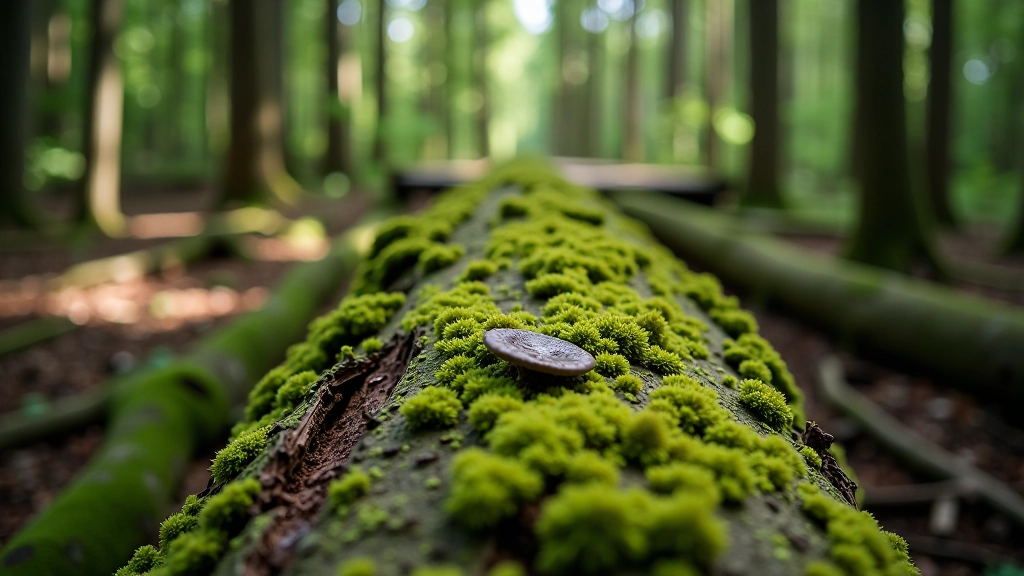
You'll see fallen trees everywhere — on the ground, across the path, half-buried in moss. This isn't mess or neglect. Deadwood is essential. As trees decompose, they become home to insects, fungi, and microorganisms. These organisms are the foundation of the forest's nutrient cycle. Dead wood slowly becomes soil again.
Fungi are the real workers here. Mushrooms you see poking up are just the fruiting bodies. The real organism — the mycelium — spreads through the wood like an invisible network, breaking it down and making nutrients available for new plants. This is why you'll see mushrooms in autumn after rain. The conditions are right for the fruiting bodies to appear.
Beetles and wood-boring insects tunnel through deadwood, and woodpeckers hunt for them, creating cavities that become homes for birds and small mammals. Everything's connected. What looks like decay is actually renewal.
Deepen your knowledge with these related guides
Complete overview of the primary trail, including distance markers, rest areas, and what you'll encounter at each section.
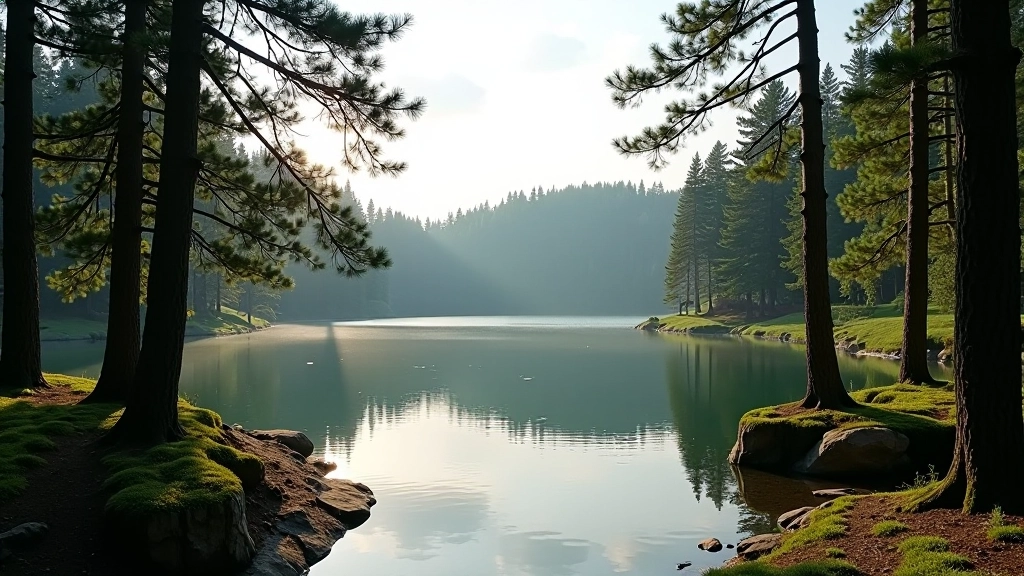
Guide to scenic overlooks and observation areas where you'll find the most memorable views and photo opportunities.
Practical advice on pacing yourself, choosing the right time of day, and finding rest areas throughout the walk.
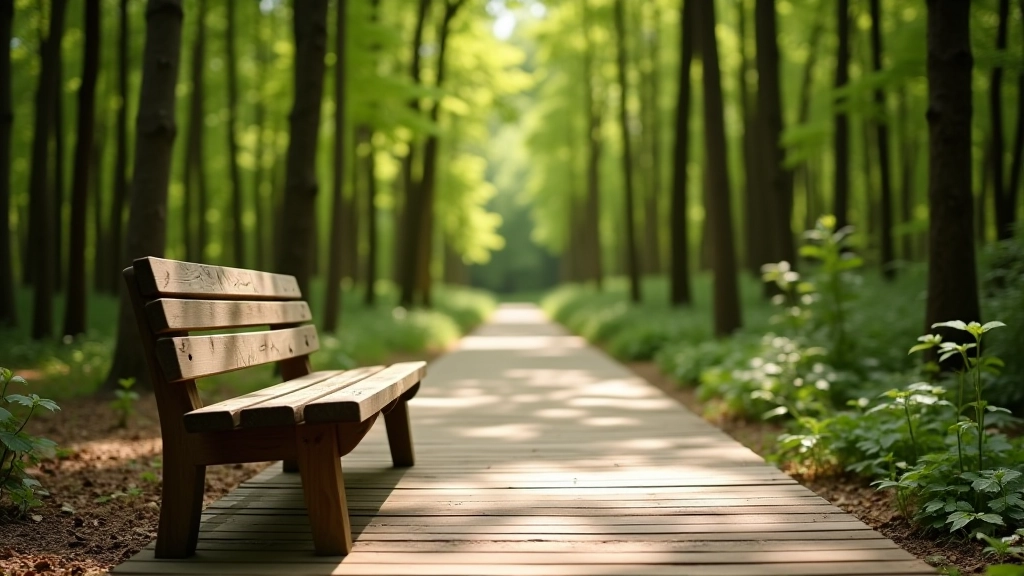
The forest reveals itself to those who pay attention. You don't need binoculars or a field guide, though they're nice to have. You just need to slow down and look. Notice the way light filters through the canopy. Listen for the sound of wind in the needles. Feel the springiness of the forest floor beneath your feet on the boardwalk.
Every season brings something different. The forest isn't static. It's constantly changing, growing, and renewing itself. The more you understand about what's happening — the competition between trees, the work of fungi, the cycles of birth and decay — the richer your experience becomes.
Take your time on the boardwalks. There's no rush. This forest has been here for centuries, and it'll still be here long after you leave. But for a few hours, you're part of it. That's something worth paying attention to.
Choose activities that match your fitness level. Check local conditions before travelling, and speak with your GP if you have health concerns before starting a new activity. The information provided is for educational purposes and general guidance. Always follow posted signs and regulations on the boardwalks.