
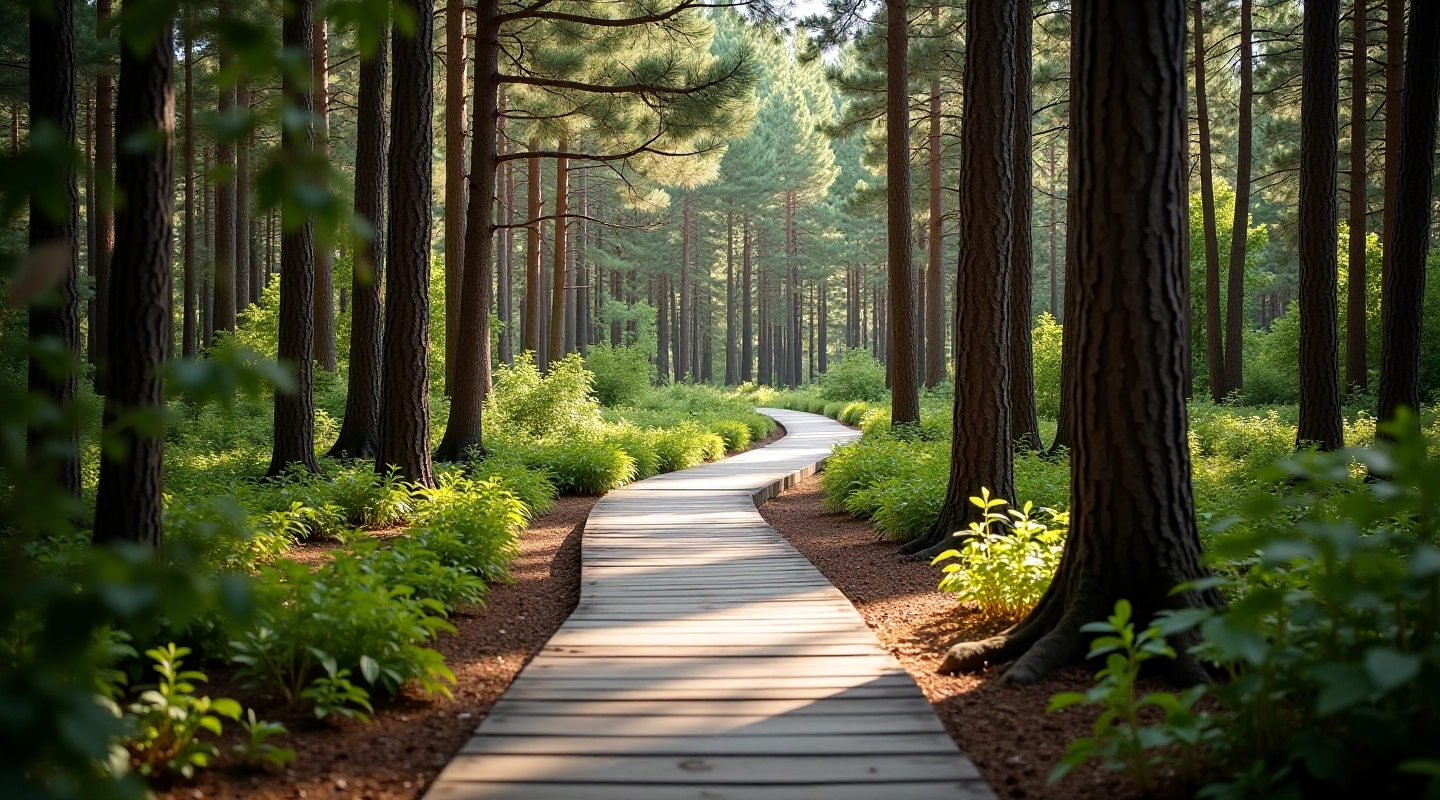
Main Boardwalk Loop — What to Expect
Complete overview of the primary trail, including distance markers, rest areas, and what you'll encounter at each section of the loop.
Read MorePractical advice on pacing yourself, choosing the right time of day, and finding rest areas that make boardwalk walking enjoyable and sustainable.
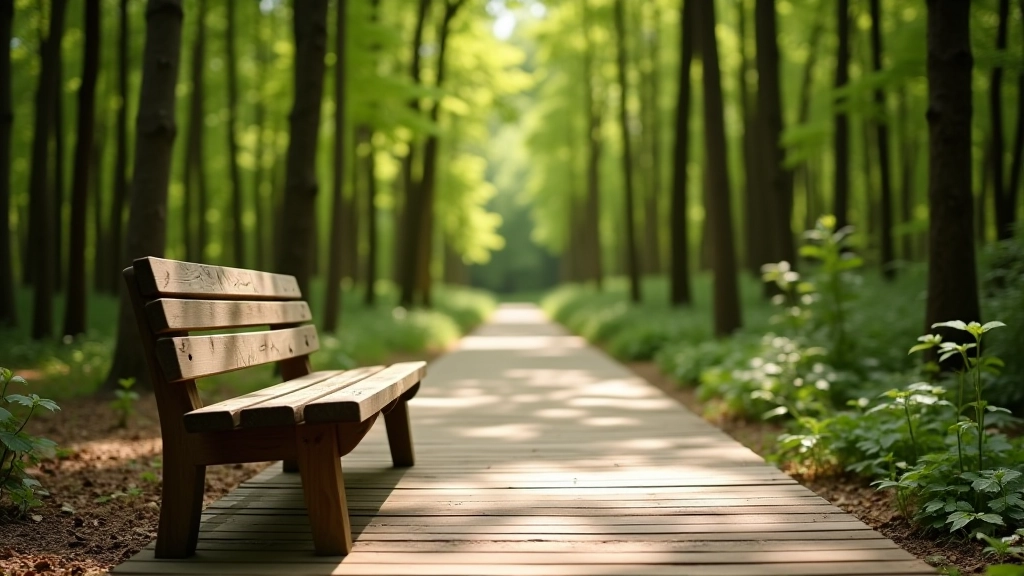
The best trail experience isn't about covering distance quickly. It's about enjoying what you see, feeling good during your walk, and being able to do it again tomorrow without soreness or fatigue. When you walk at your own pace, you're not racing against anyone. You're listening to your body and the forest around you.
Many people rush through trails because they think they should. But here's the thing — the boardwalks aren't going anywhere. You'll see more, breathe easier, and remember your walk better when you take it slow.
You'll notice your pace shift as you walk. Early on, you might feel energetic and move faster. That's fine. Just stay aware of how your legs feel and whether you're breathing easily. A good test: can you talk to someone without gasping? If yes, you're at a solid pace.
Most people find their sweet spot around 3 to 4 kilometers per hour on flat terrain like the boardwalks. That's slower than city walking, which gives you time to notice details — the way light filters through pine branches, birdsong, the smell of forest floor after rain.
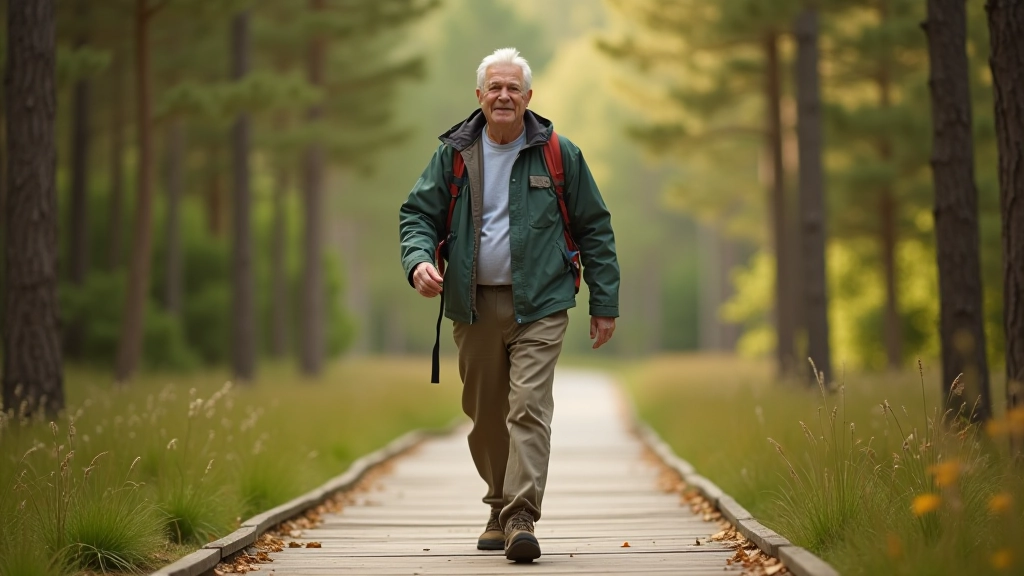
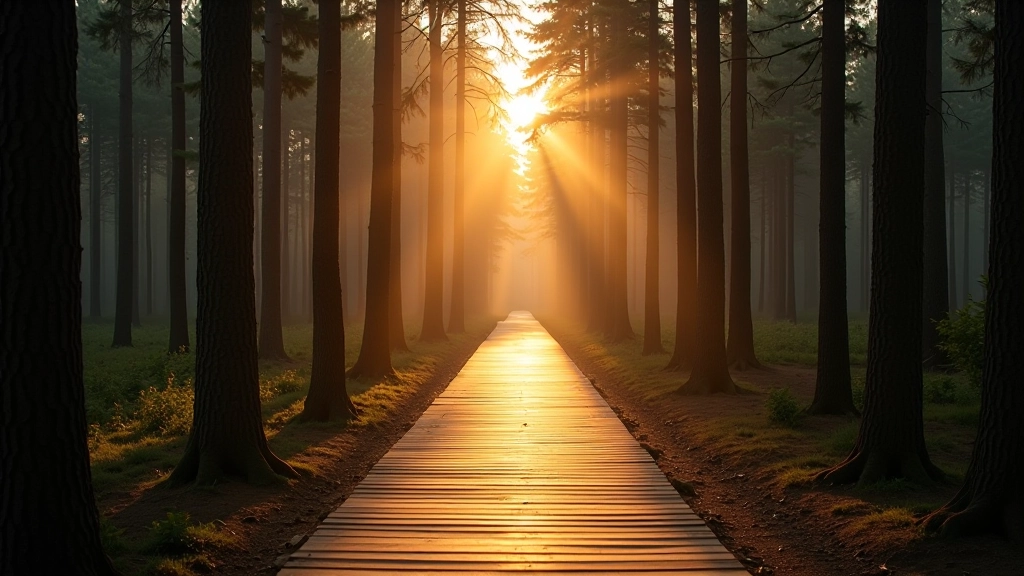
The time you choose to walk changes everything. Early mornings — say 7 to 9 AM — are quieter. You'll see more wildlife, the light's softer, and you'll have fewer people to navigate around. The temperature's cooler too, which helps if you tend to get warm easily.
Midday brings stronger sun. It's warmer, busier, and shadows are short. If you go midday, bring extra water and wear a hat. Late afternoon, around 4 to 6 PM, is another solid option. It's cooler again, the light turns golden, and there's a calming energy as the day winds down.
Avoid peak weekends if you want a peaceful experience. Weekday mornings are your best bet for a quiet trail and room to walk at your own speed without feeling rushed.
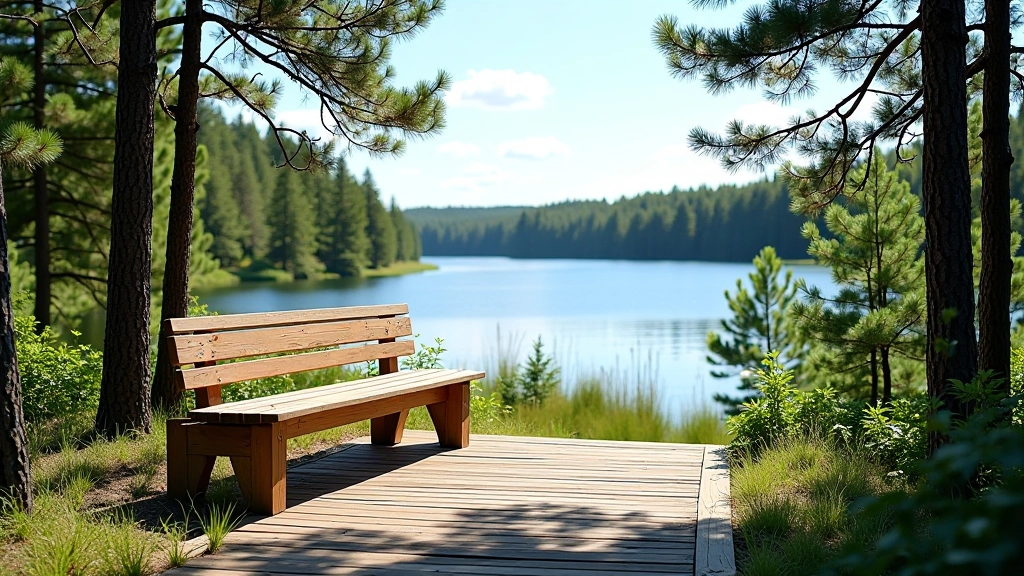
Don't wait until you're exhausted to take a break. The boardwalks have benches placed every 500 to 800 meters. That's roughly a 10-minute walk between rest points. Plan to sit for 5 to 10 minutes every 20 minutes of walking. Sounds frequent? It's not. This rhythm keeps your energy steady and prevents that heavy feeling in your legs.
When you sit, actually rest. Put your feet up if there's a bench with a rail. Drink water before you're thirsty. Look at the view. This isn't wasted time — it's part of the walk.
Discover more guides about the forest boardwalks
Complete overview of the primary trail, including distance markers, rest areas, and what you'll encounter at each section of the loop.
Read More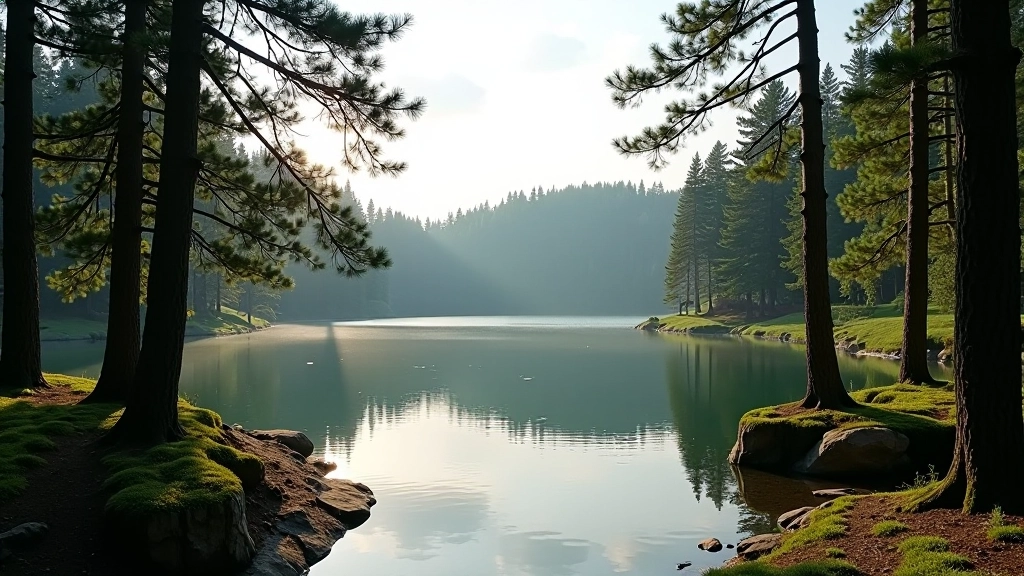
Guide to scenic overlooks and observation areas where you'll find the most memorable views and best light for photography throughout the day.
Read More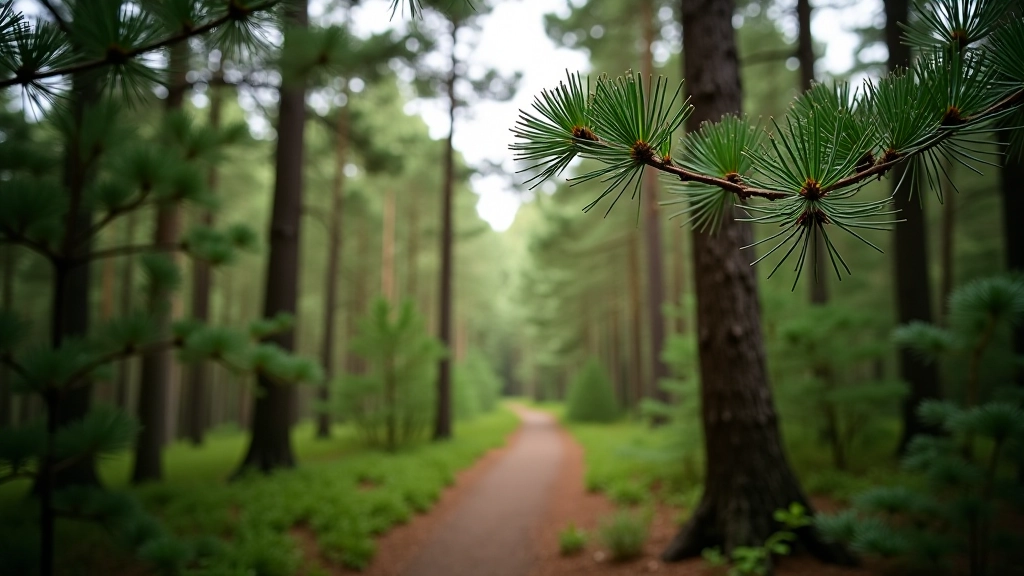
Learn about the pine trees, woodland plants, and natural features you'll encounter along the trails, including seasonal changes and wildlife.
Read MoreWalking seems simple, but your body will feel better if you think about how you're moving. Keep your shoulders relaxed, not hunched. Let your arms swing naturally. Your gaze should be forward and slightly down — watch the boardwalk surface but not obsessively.
Wear shoes with good grip and ankle support. The boardwalks can be wet or slippery, especially after rain. Avoid brand-new shoes — break them in on shorter walks first. Blisters and sore feet derail the best walks.
Breathe steadily. Some people find rhythm by matching breath to footsteps — inhale for 4 steps, exhale for 4 steps. It helps you stay calm and present. If you're breathing hard or your legs burn, you're going too fast. Slow down. There's no prize for speed here.
First 10 minutes at an easy, conversational pace. Your body's still waking up.
Minutes 10-30: settle into a steady pace that feels natural. Take a rest break around minute 20.
Continue at your steady pace. Take breaks as needed. Speed doesn't matter — consistency does.
Last 5-10 minutes: ease back. Sit for a few minutes before heading home. Your legs will thank you.
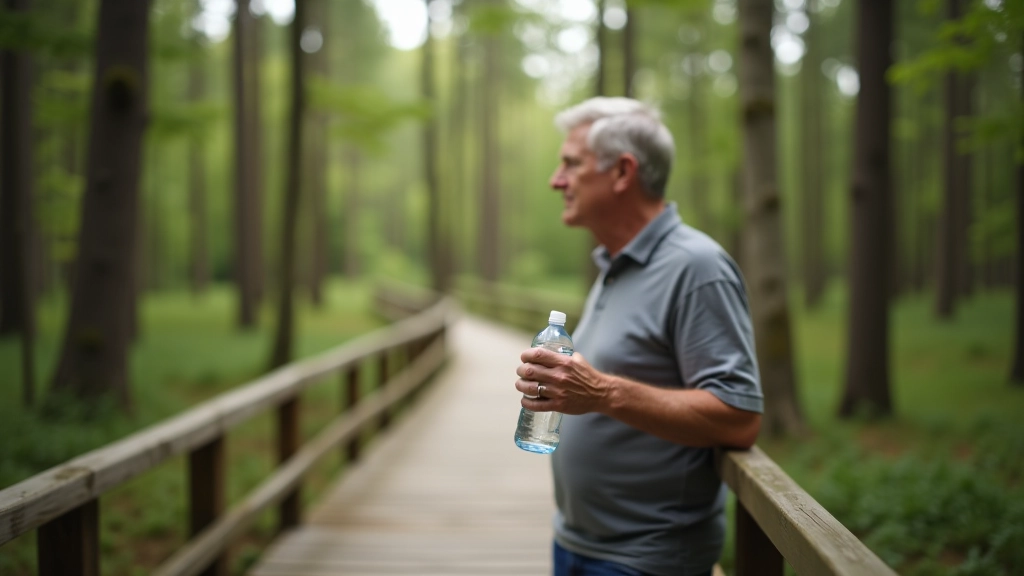
Bring water. Seriously. You'll lose fluids even on cool days, and the forest can feel dry. Start with at least 1 liter for a 1 to 2 hour walk. Drink small amounts regularly — don't guzzle a full bottle at once. You're not racing a marathon. Small sips keep your body balanced.
Food? If you're walking longer than 1.5 hours, bring a light snack. A banana, a granola bar, or a handful of nuts works well. Eat when you rest, not while walking. And don't skip breakfast. Walking on empty leaves you dragging by kilometer 3.
Walking at your own pace isn't settling for less. It's choosing quality over speed. You'll remember the forest, the light, the sounds. Your body will feel good during and after. You'll want to come back.
Start with shorter walks if you're new to this. Build up gradually. Listen to what your body tells you. Skip a section if it feels like too much. There's always another visit, another season, another chance to explore. The boardwalks aren't going anywhere.
Check out the full boardwalk route and find which section fits your pace and schedule.
View the Main Loop Guide